The best of both worlds-two cultures
My family (Claude, Anita; sister Louise and I) was among the 350,000 people who ended up in the Netherlands against their will. Sure, my parents had options. Losing their country twice was really too much for them (in their case: Dutch East Indies and Dutch New Guinea). I figure they weren’t keen on starting over a third time in a strange country without anyone they knew. They had family and friends in the Netherlands, so that’s why they went and Louise and I too.
We’re all used to adapting, aren’t we?
Coming to Holland from the Dutch East Indies, for us from New Guinea, was a real struggle to adapt to. It was cold, wet, and windy when we arrived there in October. Fog showed up a few days later, and a month after that, it was icy and freezing cold.
We weren’t exactly welcomed with open arms. The Dutch (Hollanders) wanted us to stick around in the Dutch colonies. Many of us struggled to find housing. The difficulty Indisch and Moluccan people faced in finding employment stemmed from having to start over while again restarting their lives. Keep in mind, the Netherlands was still recovering from WWII during this period (1951-1962).
My dad, Claude, as so many others, was this amazing blend of two different worlds. He had the best of both East and West.
He was a real Indo (Indisch), alright. He had a multicultural upbringing and loved both his Indo-European backgrounds. He stayed a proud Indo, true to his identity and traditions, his whole life.
Claude was the perfect example of Indo pride to me; He held firm to his Indo ways.
I likely inherited my parents’ genes. I love and cherish my Indish heritage. I’m really proud of where I come from and to be part of its rich culture and history. I get this out there where I can. We need to keep and share all the facts and feelings about this.
My parents didn’t want to stand out, same as other Indisch people.
Mum and Dad were always on me about speaking proper Dutch. Speaking with two words (yes, Sir). They went on and on about table manners. Forget eating with my hands; I couldn’t even eat chicken legs that way. I can still hear them saying it, like it was yesterday!
——————————
Every morning, dad and I ate breakfast together before heading off to work and school. My mum’s late nights from work resulted in a later wake-up time.
He started with a cup of ‘kopie tubruk’, sweet, heavy with sugar, always leaving the coffee sludge remaining at the bottom of the cup. I just had a regular cup of coffee. We normally had peanut butter and sambal (chilli) sandwiches, or cheese and jam ones.
His tastes were as eclectic as his background. Claude loved his Indisch food; he could eat rice, (fried noodles) bami or nasi goreng (fried rice) and all the sweet and savoury snacks forever. He also liked Dutch (hollands) food, like ‘hutspot’ (mashed potatoes, carrots, onions) with gravy in the hole in the middle and a ‘gehaktbal’ (meatball).
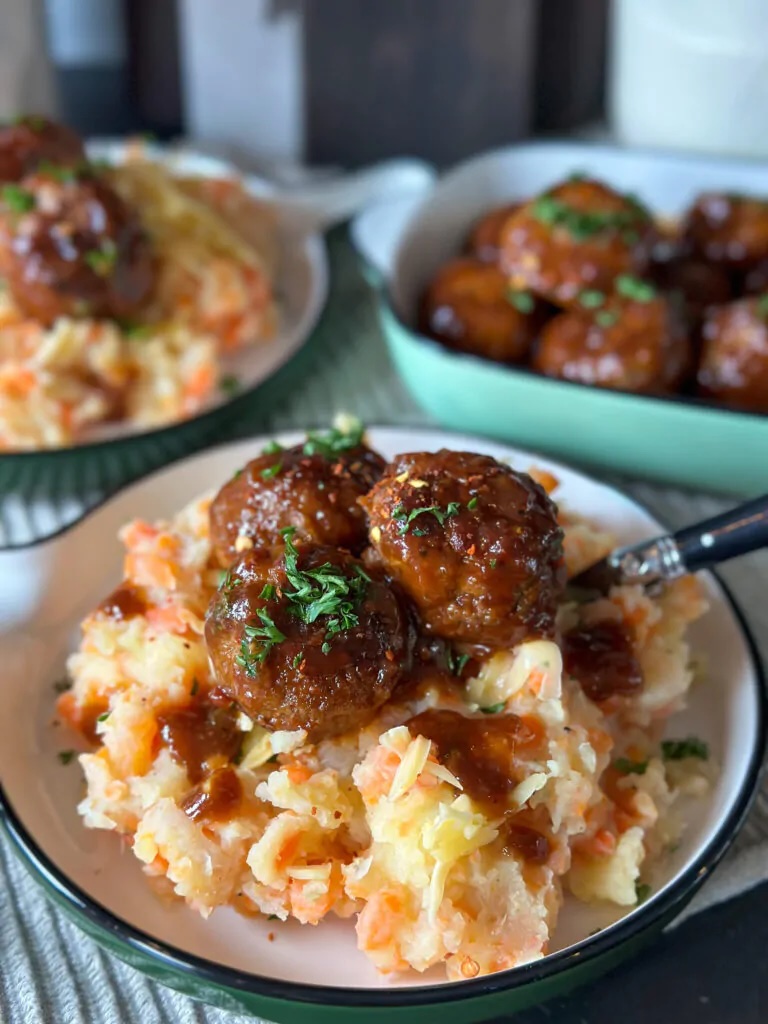
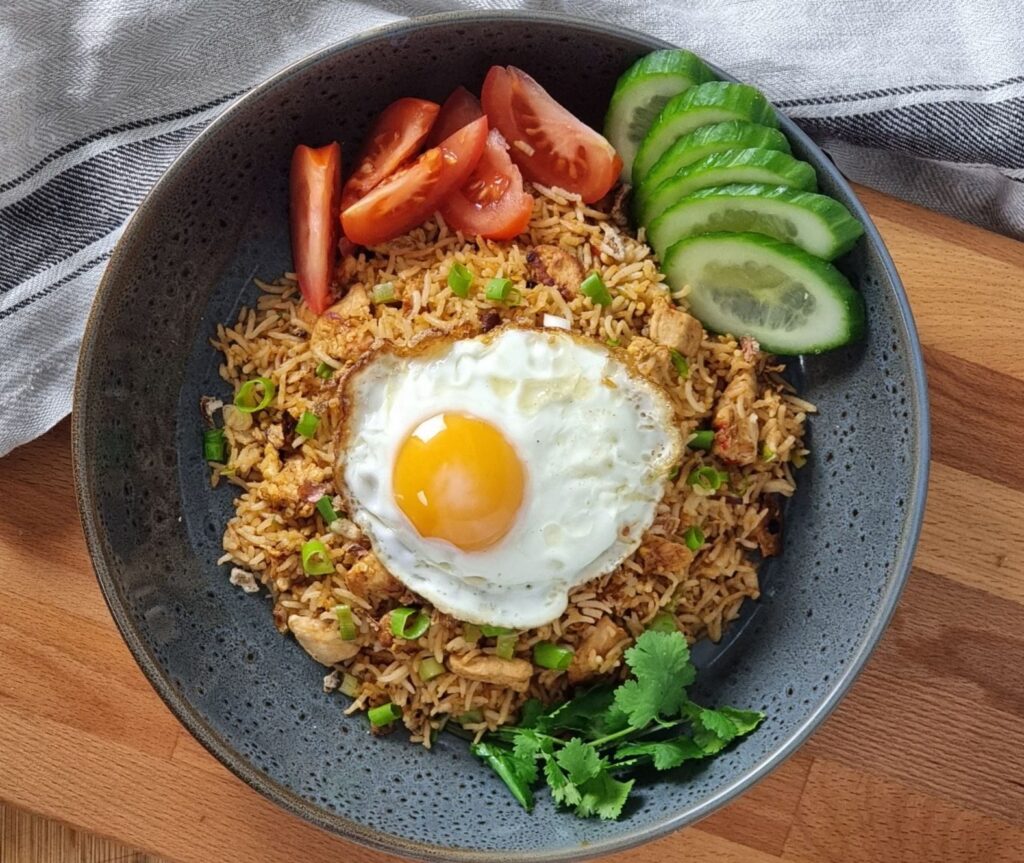
Food is about more than just keeping you alive. It is a culture. Food brings back great memories and feelings, reminding us of who we really are. It always made my happens happy; it was a core part of my parent’s identity, and nothing could take that away. Makes sense, considering how hungry they and others were during the wars.
The word Indisch sums up how genuine the food is. Mum’s and her family’s Indisch food was almost magically delicious and so was the food from family and friends. Her process was swift and confident. She’d just toss everything together. You could say that each bite was a reminder of their and our roots.
The aroma of cooking Indisch food always wafted through our apartment and probably the whole building. It was that awesome, or, maybe not everyone agreed 😁!? My Dutch primary school friend Joep even remembered that smell 50 years later when we had contact!
Indisch families are known for their welcoming nature, a key part of their culture where food is central. Upon entering the house, so to speak, the plate was already shoved under your chin. Offering a dish and asking if you’d eaten was a way of greeting someone and showing concern for their well-being. Food was something to celebrate or be concerned about. The saying “Love goes through the stomach” was and still is, in a sense, all about the language of love.
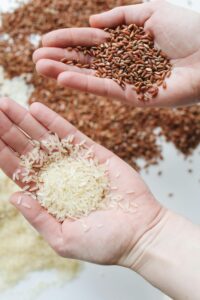
Eating only from one’s own plate is common practice in Europe. Pre-portioned meals are served; you eat what you get. People in Asia typically serve themselves at the table. Throughout the meal, they tend to take more of certain dishes. Help yourself to whatever and however much you like.
Cooking Indisch food today still creates new memories for me and keeps our heritage alive.
I still enjoy pea soup with rice and sambal, or a pindakaas and sambal sandwich. The true best of two worlds..